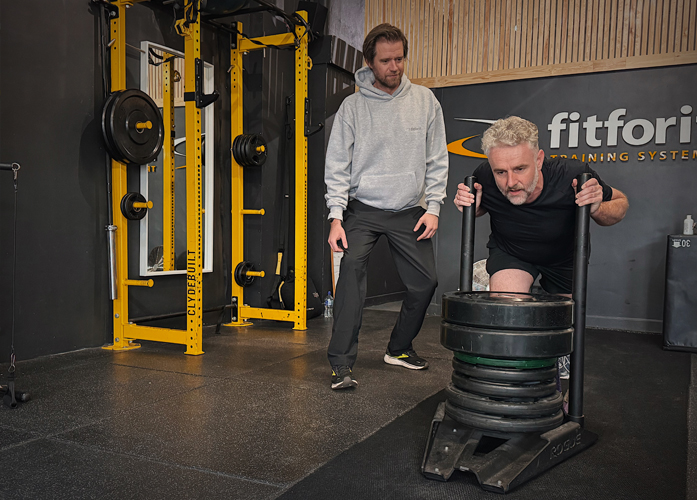
Beginner’s Strength Training Glasgow Guide for Newcomers
Beginner’s Strength Training Glasgow Guide for Newcomers
Are you searching for a strength training Glasgow guide tailored for complete beginners? Maybe you have thought about lifting weights but do not know where to start. Perhaps you have tried going to a gym but felt lost among the machines and free weights. You are not alone.
This guide is for complete beginners in Glasgow who want to start strength training safely and confidently. It is especially relevant for Glasgow residents because the city offers a vibrant and diverse strength training scene, with a wide range of gyms, courses, and community resources that make it easier than ever to get started – no matter your background or experience level. Whether you’re looking for structured courses, friendly gyms, or expert coaching, Glasgow has options to suit every newcomer.
Strength training does not have to be intimidating. With the right basics, a simple plan, and a bit of consistency, you can build strength safely and confidently. This guide is crafted especially for beginners, with helpful tips, explanation of core concepts, examples of beginner workouts, common mistakes to avoid, and ways a coach can support your progress. There are also beginner-friendly strength training courses available in Glasgow, designed to provide structured learning and practical experience. You will also find local Glasgow context so the advice feels grounded wherever you choose to train, in a gym, outdoors, or with personal training support like Fitforit Training Systems in Glasgow Southside, as well as guidance from qualified sports coaches who specialise in strength and conditioning for beginners.
Whether your goals are getting stronger, improving your physique, increasing confidence or just feeling healthier, this guide will help you take those first exciting steps.
What Is Strength Training
Strength training is any exercise designed to improve muscular strength and endurance by making your muscles work against resistance. This resistance can be free weights such as dumbbells or barbells, resistance bands, weight machines in a gym, or even your own bodyweight. Starting with body weight exercises is a safe and effective way for beginners to learn proper form before progressing to added resistance.
Key benefits of strength training include:
-
Building muscle and burning more calories at rest
-
Boosting metabolism for improved energy expenditure
-
Improving bone density, which combats osteoporosis and age-related decline
-
Enhancing balance and coordination
-
Aiding weight management by increasing lean muscle mass
-
Reducing injury risk by strengthening muscles, tendons, and ligaments
-
Lowering the risk of chronic conditions such as cardiovascular disease and type 2 diabetes
Why Strength Training Matters for Beginners
As a beginner, strength training offers foundational benefits that go beyond how you look:
-
Functional strength for everyday activities like carrying groceries or climbing stairs
-
Better posture and reduced risk of injury
-
Increased metabolism and improved body composition
-
More self-efficacy as you master new movements
If you train consistently, you will likely see benefits that can be achieved within just a few weeks. Progress may start slow, but even small improvements in strength translate into real confidence and long-term health gains. These achievements are a direct result of regular strength training.
How to Begin Strength Training Safely
Starting strength training involves four core elements:
-
Learning proper technique
-
Progressive overload
-
Balanced training programming
-
Understanding and managing workout intensity to match your current fitness level and goals
Learn Proper Technique
Technique should always come before loading heavier weights. When you know how to perform each movement correctly, you reduce the risk of injury and build a solid foundation for future progress.
Key technique principles include:
-
Maintaining a neutral spine
-
Activating your core before movement
-
Performing movements at a controlled pace
-
Breathing correctly with exhale on effort and inhale on return
Developing technical skills and knowledge is essential for building a strong foundation in strength training. For beginners, mastering the basics like squats, hip hinge movements, push, pull, and core stability will set the stage for strength gains.
Understand Progressive Overload
Progressive overload means gradually increasing the challenge to your muscles. That can look like:
-
Increasing weight
-
Increasing the number of repetitions or sets
-
Reducing rest time between sets
-
Improving form or range of motion
Small, consistent increases over weeks or months are far more effective and sustainable than sudden large jumps in weight that can lead to injury.
Follow Balanced Training Programming
A balanced strength training plan includes:
-
Exercises for the lower body such as squats and lunges
-
Upper body work such as push ups and rows
-
Core stability movements
-
Mobility and flexibility components
A well-structured beginner plan alternates muscle groups to allow recovery and prevent overtraining. Following a clear and structured programme helps ensure balanced development and reduces the risk of injury.
Beginner Strength Training Workout Examples
Below are simple but effective sample workouts you can do as a beginner. These routines are designed to introduce you to weight training and help you build effective strength from the ground up. You can perform these at a gym or adapt bodyweight versions if you have no equipment.
Full-Body Beginner Workout A
Warm up (5 to 10 minutes):
-
Light cardio such as walking or cycling
-
Gentle shoulder rolls and hip circles
Main Set:
-
Bodyweight Squats – 3 sets of 10 to 12 reps
-
Push ups (knees if needed) – 3 sets of 8 to 10 reps
-
Bent-Over Rows with light dumbbells or resistance band – 3 sets of 10 reps
-
Glute Bridges – 3 sets of 12 reps
Finish: Gentle stretching for legs and upper body.
Full-Body Beginner Workout B
Warm up (5 to 10 minutes):
-
Marching on the spot
-
Dynamic leg and arm swings
Main Set:
-
Dumbbell Deadlifts – 3 sets of 10 reps
-
Plank – 3 sets of 20 to 30 seconds
-
Dumbbell Shoulder Press – 3 sets of 8 to 10 reps
-
Step-Ups on a bench or stable platform – 3 sets of 10 each leg
Cooldown: Full body stretching.
This is a starting point. As you become more comfortable with these movements, your coach or trainer can help you progress safely.
Where to Train in Glasgow
Glasgow has a vibrant strength training scene, including independent powerlifting gyms, university-run programs, and a wide range of commercial and community gyms. The city offers a variety of structured pathways for beginners to start resistance training. Many gyms in Glasgow offer induction sessions to help new members get started with strength training, and it is common for gyms to have personal trainers available for guidance.
Commercial Gyms
-
Extreme Gym – Known for serious strength training and high-quality equipment.
-
The Gym Group – Affordable, 24-hour access with dedicated weights areas.
-
PureGym Shawlands – Good option for strength training in Glasgow.
-
Village Gym – Offers a pool and sauna, but can be busy.
-
Nuffield Health – Excellent facilities for strength training, though more expensive.
-
Glasgow Club – Affordable with all the necessary equipment for strength training.
-
Central Strength – Recommended facility for strength training.
-
Future Fitness – Well-equipped gym with friendly staff.
Outdoor Training Spaces
-
Parks and green spaces across Glasgow are ideal for bodyweight strength training or fitness circuits, especially during good weather.
Personal Training Studios
-
Many studios in Glasgow Southside and city centre offer private or small group sessions with expert trainers.
Example: Fitforit Training Systems
For example, Fitforit Training Systems in Glasgow Southside offers personalised coaching where a trainer helps you learn technique and build confidence from day one. You can train in their private studio or start in outdoor spaces if you prefer fresh air and open space.
Beginner-Friendly Strength Training Courses and Gyms in Glasgow
If you’re looking for structured courses or beginner-friendly gyms, consider:
-
Barbell Basics – Public courses teaching beginners to safely use lifting platforms and barbells.
-
Learn2 Lift (University of Glasgow) – A 4-week introductory course focused on barbell fundamentals.
-
Uplifted Titans – Queer-run independent strength gym offering powerlifting, strongman, and Olympic lifting.
-
Sorella Strength – Competitive strength and conditioning program focused on compound movements and barbell strength.
-
Everyday Athlete Gym – Community-driven environment with bodybuilding and CrossFit programs.
Regardless of your location, the key is consistency and comfort with your training environment.
Common Mistakes Beginners Make
For many beginners, the hardest part is simply taking the first step and starting a new routine.
When you are new to strength training, there are some common pitfalls to be aware of. Avoiding these will make your training safer and more effective.
Lifting Too Heavy Too Soon
One of the biggest mistakes is trying to lift heavy weights before mastering technique. This can lead to poor form and increase injury risk. Always start with manageable loads and progress gradually.
Neglecting Warm Up and Cool Down
Skipping warm up can shock your muscles and joints, while neglecting cool down can lead to stiffness. Both are important parts of a successful session.
Comparing Yourself to Others
Everyone’s journey is unique. Comparing your performance to someone else in a gym can undermine your confidence. Focus on your progress, not others.
Ignoring Rest and Recovery
Muscles grow and adapt during rest. Training the same muscle group every day without adequate rest can lead to fatigue and burnout. Beginners benefit from rest between strength sessions targeting the same muscles.
Why Coaching Can Help
Many beginners find that investing in a strength training coach or personal trainer accelerates their progress and reduces anxiety about training.
Strength and conditioning coaches are highly qualified professionals with specialized education, often holding a degree and recognized qualifications from a conditioning association. These professionals are trained to support athletes and develop personalized training programmes that address individual needs. Conditioning coaches work closely with athletes to optimize performance, and their qualifications are highly valued by employers in the fitness industry. While strength and conditioning coaches can provide expert guidance on exercise and training, detailed nutrition advice should be sought from a qualified nutritionist.
A coach can help you:
-
Learn correct technique quickly
-
Personalise your training plan
-
Progress safely with guidance
-
Stay motivated and accountable
-
Avoid common mistakes
With a coach, you are not guessing, you are following a plan based on your abilities and goals. This not only enhances results but also builds confidence so you feel empowered to train independently over time.
At Fitforit, trainers focus on individual needs. They teach you how to lift safely, how to adjust workouts based on your daily readiness, and how to evolve your program as you become stronger.
How to Track Progress as a Beginner
Tracking progress helps you stay motivated and see real gains. You can track:
-
Number of reps or sets completed
-
Amount of weight lifted
-
How you feel during and after workouts
-
Body measurements or improvements in fitness tests
Celebrating small wins such as adding another rep or increasing weight slightly keeps you engaged and committed. Personal trainers and coaches use progress tracking to help clients stay motivated and reach their goals.
Strength Training Safety Tips
Safety should always be a priority. Follow these tips to stay healthy and injury free:
-
Start with a dynamic warm up
-
Use controlled movements
-
Avoid jerky or rushed reps
-
Choose weights you can handle with good form
-
Breathe steadily during exercises
-
Speak to a trainer or gym staff member when you are unsure or need assistance
If something hurts in a sharp painful way rather than muscle fatigue, stop and reassess. Pain is a signal your body gives you and should not be ignored.
Staying Motivated as a Beginner
Staying motivated can be as challenging as learning the movements themselves. Here are ways to stay on track:
-
Set small achievable goals
-
Train with a friend or join a group environment
-
Keep a training log
-
Focus on how strength training makes you feel
-
Remind yourself of why you started
Motivation varies but building a routine and celebrating progress keeps you heading in the right direction.
A Simple Weekly Plan for Beginners
Here is an example of a simple weekly schedule for beginners:
-
Monday: Full body strength training
-
Tuesday: Light activity such as walking or mobility work
-
Wednesday: Full body strength training
-
Thursday: Rest or light stretching
-
Friday: Strength training or active recovery
-
Saturday and Sunday: Optional mobility work or outdoor activity such as a walk in Glasgow parks
This plan gives plenty of stimulus, variety, and recovery which are all essential to growth. The schedule is specifically structured to match the physical demands of a beginner’s strength training journey, ensuring progress while minimizing risk of overtraining.
Final Thoughts
Strength training does not have to be intimidating. As a beginner in Glasgow, you have access to supportive environments, knowledgeable trainers, and a variety of training spaces from gyms to parks.
With the right foundation of proper technique, progressive overload, balanced programming, and safety awareness, you can build strength, confidence and long term fitness habits that last. Strength training is also fundamental for improving sports performance, developing power and speed, and is based on sound scientific theory.
If you are ready to take your first steps with personalised guidance, consider reaching out to a coach or trainer who specialises in beginner strength training. Whether your goal is general fitness or excelling in a specific sport, a structured approach can help you achieve your objectives. A guided start can make the journey easier, enjoyable and more effective.
Does the idea of a structured beginner friendly strength program appeal to you? Are you located in Glasgow and ready to build confidence in your training? Visit our Personal Training in Glasgow Southside page and discover how expert coaching can help you make the gains you want with the support you deserve.