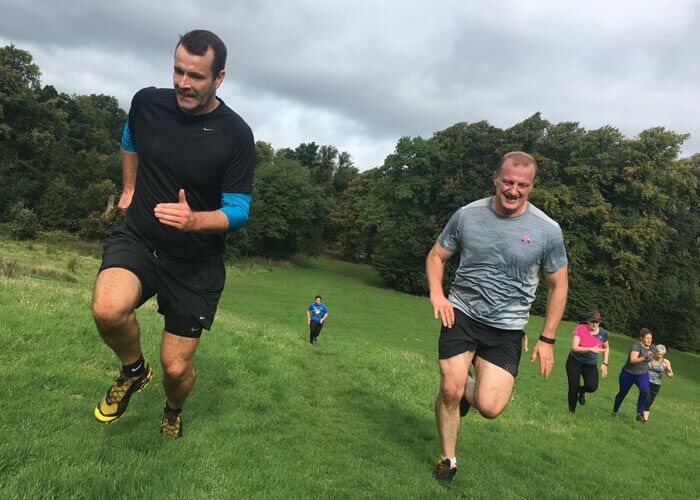
Top 5 Healthy Eating Tips for Fitness Clients
If you’re training regularly – whether that’s hitting the gym a few times a week, joining outdoor bootcamps, or working with a personal trainer – you’ve probably wondered how to eat in a way that actually supports your goals. The good news? You don’t need a “perfect” healthy diet or a complicated meal plan that takes over your life.
At Fitforit, we coach our PT and bootcamp clients right here in Glasgow’s Southside to eat in a way they can stick to all year, not just for six weeks. That means simple, repeatable habits that fit around work, family, and your social life. A healthy balanced diet isn’t about restriction – it’s about building meals that give you energy, help you recover, and keep you feeling satisfied.
In this article, we’re covering the top 5 healthy eating tips for clients: building a balanced plate, prioritising protein, choosing smart carbs, embracing fats and fibre, and nailing hydration with simple planning. Whether you’re focused on fat loss, building strength, or just feeling better in your sessions, these tips will help you get there without overcomplicating things.
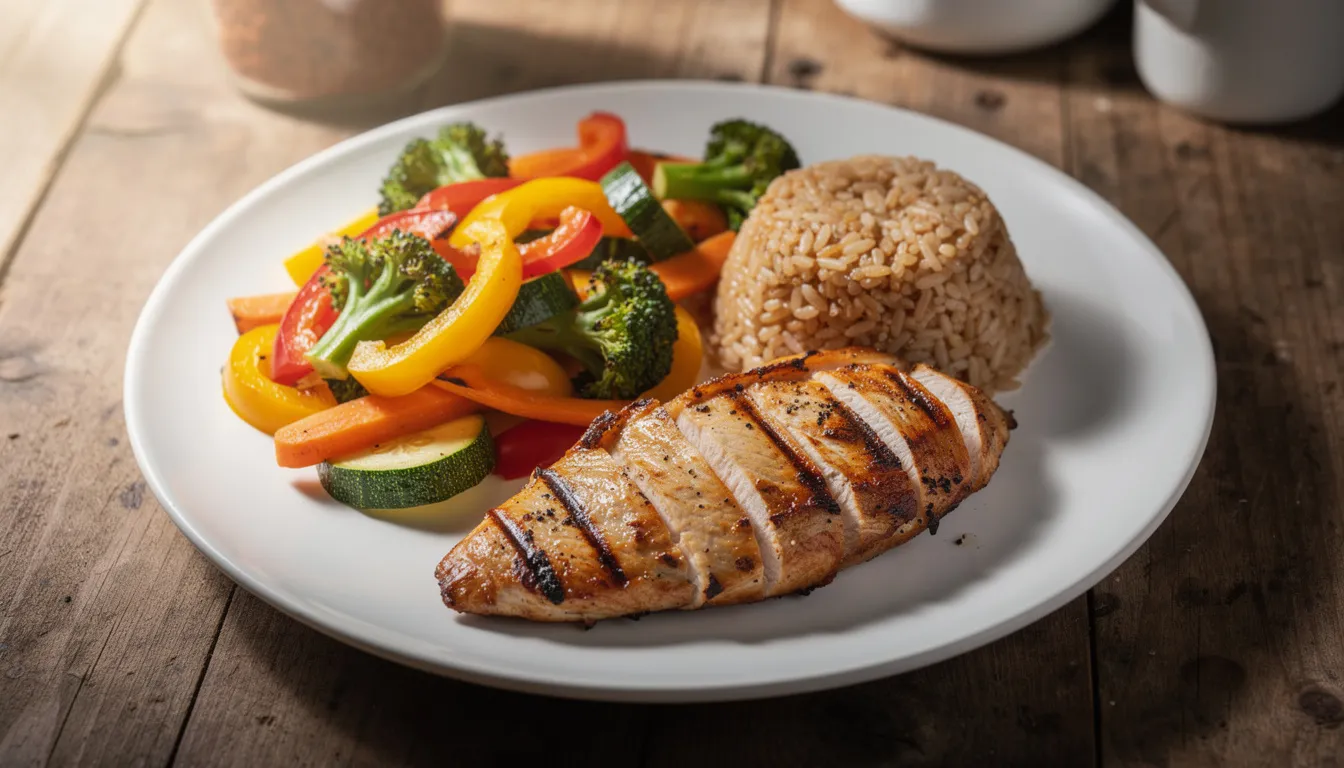
1. Build a balanced plate for your goals
Let’s start with the foundation of healthy eating patterns: what actually goes on your plate. You’ve probably heard of the Eatwell Guide, and while it’s a solid starting point, active people often need a slightly different balance to fuel their training and recovery.
Here’s a simple plate guide for fitness clients:
-
Roughly half your plate: fruit and vegetables (the more colours, the better)
-
About a quarter: protein (chicken, fish, eggs, beans, tofu)
-
About a quarter: smart carbs (potatoes, rice, pasta, bread – ideally higher fibre starchy foods)
-
A thumb-sized serving: healthy fats (olive oil, avocado, nuts)
This isn’t about weighing everything or hitting exact percentages. It’s about having a visual guide that helps you build satisfying, energising meals without overthinking it.
Concrete meal examples for a busy week
Weeknight dinner: Grilled chicken breast, roasted new potatoes with the skin on, a big pile of mixed vegetables like broccoli, peppers, and carrots, with a drizzle of olive oil. Simple, filling, and packed with vitamins and minerals.
Quick lunch: A wholemeal wrap stuffed with sliced turkey, salad, and a tablespoon of hummus. Add some carrot sticks on the side and an apple for fresh fruit. Takes five minutes to throw together.
Post-gym meal: A portion of salmon, a microwave wholegrain rice pouch, and frozen mixed veg heated through. Easy, balanced, and perfect for recovery after a hard session.
The beauty of this approach is flexibility. If you’re focusing more on fat loss, lean towards more veg and slightly smaller carb portions. If strength or muscle gain is the goal, add more carbs and bump up the protein slightly. You don’t need to nail this perfectly at every single meal – aim for most meals across the week to follow this rough template, and you’re doing brilliantly.
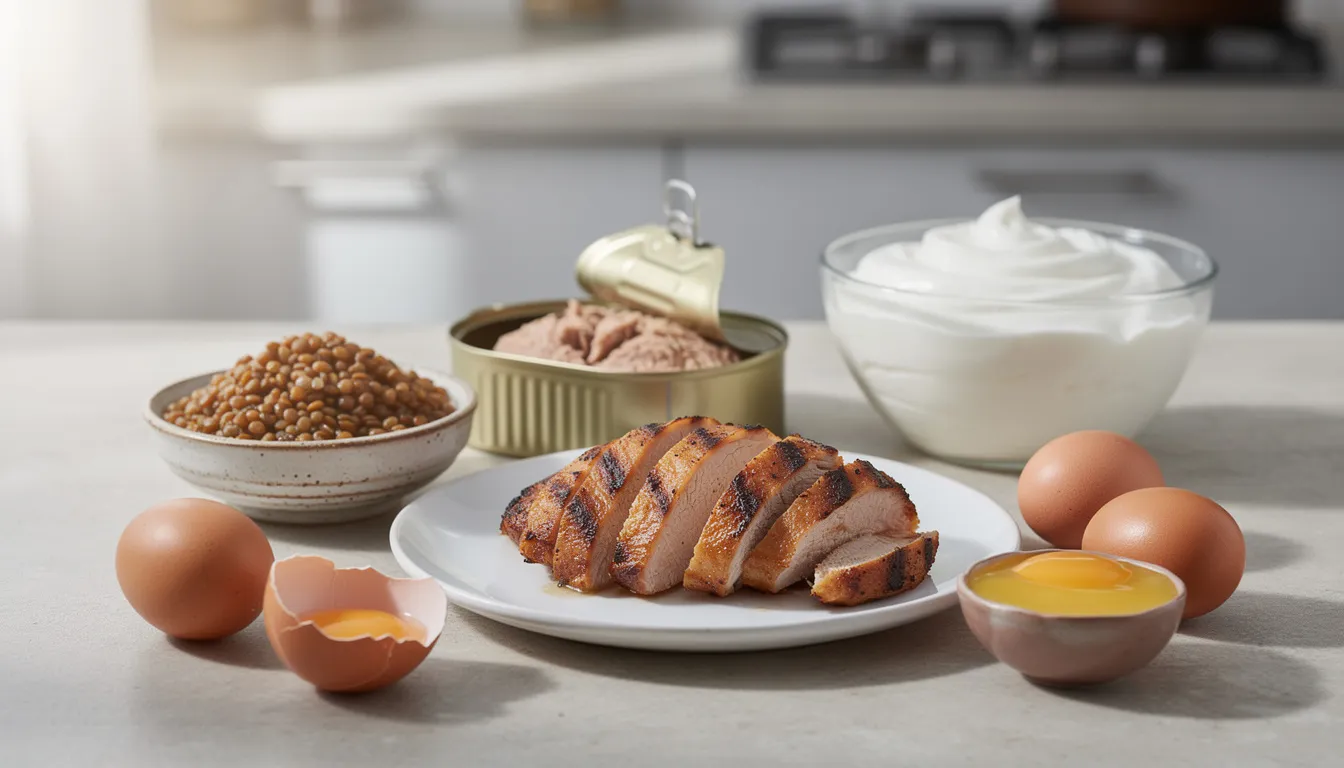
2. Prioritise protein at every main meal
If you lift weights, attend bootcamps, or run regularly, protein is your best friend. It’s essential for muscle repair, helps you recover faster between sessions, and keeps you feeling fuller for longer – which is a game-changer if you’re trying to manage your appetite or lose weight.
A simple target for most active adults is around 20–30g of protein at each main meal, with one or two protein-rich snacks if needed. This isn’t strict medical advice, just a practical guideline that works well for the majority of our clients.
What does 20–30g of protein actually look like?
Here are some UK-friendly examples:
-
Breakfast: 2 medium eggs plus 100g Greek yoghurt
-
Lunch or dinner: 120–150g cooked chicken, turkey, or tofu
-
Quick lunch: 1 small tin of tuna (around 120g) mixed with beans in a jacket potato
-
Evening snack: 200g 0% fat milk Greek yoghurt with berries
Don’t eat meat? No problem. Plant-based sources like lentils, chickpeas, beans, tofu, and Quorn all count. Pulses fish eggs meat and beans pulses fish eggs are all solid options depending on your preferences.
Simple swaps to boost protein
-
Add an extra egg to your breakfast
-
Switch low-protein cereal bars for a pot of yoghurt or a couple of boiled eggs
-
Add a tin of beans or chickpeas to your lunch
Most of our personal training clients notice they feel less hungry between meals and perform better in sessions once they deliberately include protein at each main meal. It’s one of the simplest changes with the biggest payoff.
3. Choose “smart carbs” to fuel training and recovery
Let’s clear something up: carbs are not the enemy. For active people, they’re your main fuel source for hard sessions, runs, and classes. Cutting them out completely often leads to feeling sluggish, struggling through workouts, and eventually giving up. A balanced diet for fitness includes carbs – it’s about choosing the right ones.
The difference between “smart carbs” and more processed options comes down to fibre, nutrients, and how quickly they hit your bloodstream. Smart carbs are higher fibre starchy foods that digest more slowly, giving you steady energy rather than a spike and crash.
Smart carb choices
-
Wholemeal bread and wholewheat pasta
-
Brown rice or basmati rice
-
Oats and porridge
-
Quinoa
-
New potatoes with skins, sweet potatoes
-
Wholegrain or wholemeal varieties of pasta and bread
-
Higher-fibre breakfast cereals like Weetabix, shredded wheat, or porridge oats (instead of sugary foods and sugary cereals)
Timing your carbs around training
For best results, have most of your carbs around when you train:
-
Before a morning session: A bowl of porridge 60–90 minutes beforehand gives you sustained energy
-
After training: Rice, pasta, or potato with your post-workout dinner helps replenish glycogen stores
-
On rest days or less active evenings: Slightly smaller carb portions are fine, but don’t cut them out completely
Rather than strict gram measurements, think in real portions: a cupped handful of cooked rice or pasta, one medium jacket potato, or two slices of wholemeal bread. These starchy carbohydrates are your friend, not your enemy.
And yes, occasional chips, white bread, or a pastry can still fit in. We’re talking about what makes up the base of most meals, not a complete ban on anything. Life’s too short for that, and it doesn’t work long-term anyway.
4. Don’t fear fats and fibre – use them to stay full and healthy
When you’re training hard and trying to manage your appetite, fats and fibre are your secret weapons. They keep you satisfied between meals, support hormone production (essential for muscle repair), aid digestion, and contribute to long-term health benefits like reduced heart disease and cardiovascular disease risk.
Healthier fats vs fats to limit
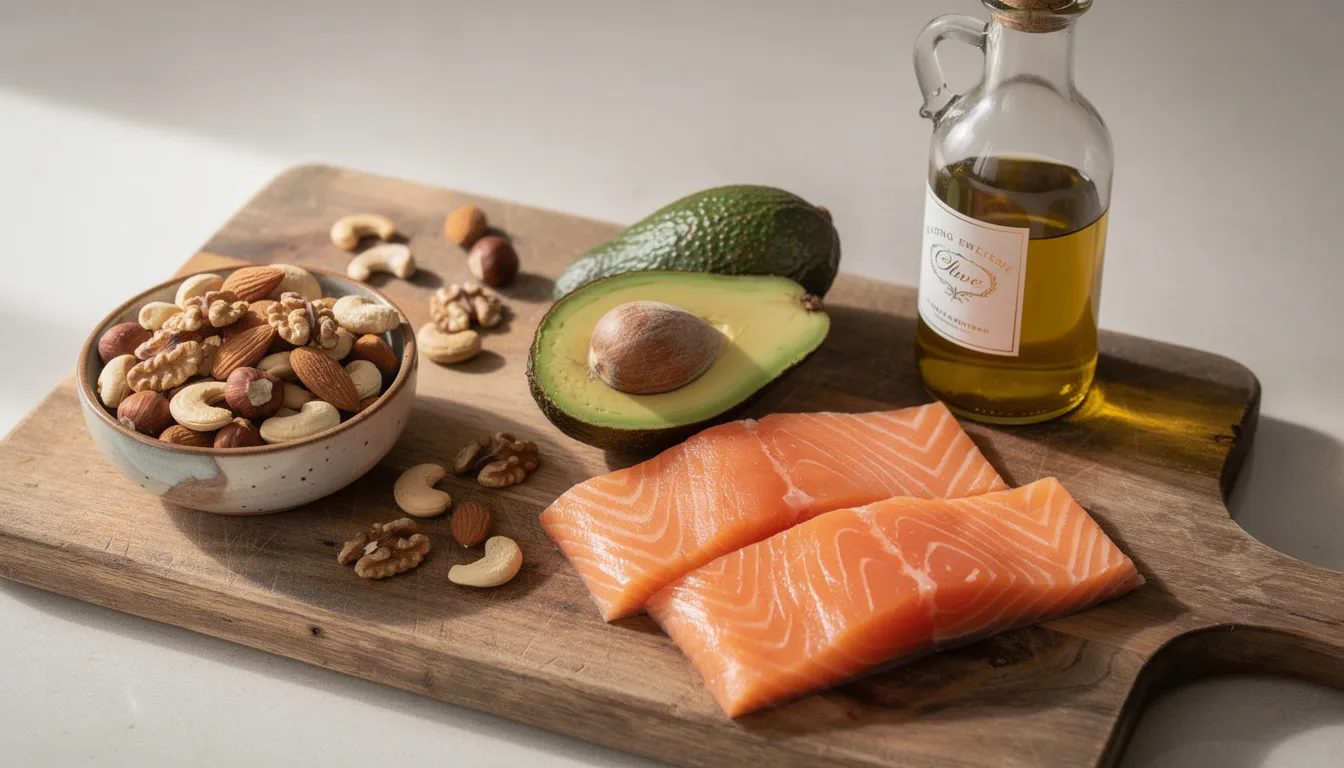
Choose more often:
-
Olive oil, rapeseed oil, sunflower oil (unsaturated fats and unsaturated oils)
-
Nuts and seeds
-
Avocado
-
Oily fish like salmon, mackerel, and sardines (oily fish includes salmon, and smoked fish counts too)
Limit:
-
Large amounts of butter, lard, coconut oil (higher in saturated fat)
-
Creamy sauces and pastries
-
Processed meat and red and processed meat
-
Foods high in trans fats
You don’t need to track every gram. Use hand-based visuals: a thumb of oil or nut butter, a small palm of nuts. That’s plenty to reap the health benefits without overdoing calories.
Fibre sources that work well for fitness clients
Fibre keeps your digestive system happy, helps maintain a healthy gut, and contributes to stable blood pressure and healthy body weight. Great sources include:
-
Veg and salad at most meals (frozen veg, tinned sweetcorn, and bagged salad are all quick options)
-
Beans, chickpeas, and lentils added to chilli, soups, and pasta sauces
-
Whole fruit like apples, berries, and oranges as snacks (instead of just bars or crisps)
-
Dried fruit in small amounts
-
A fruit salad for something refreshing
Our clients often notice more stable energy in sessions, fewer afternoon crashes, and less late-night snacking when their meals include good fats and fibre. It’s not rocket science – it’s just building satisfying meals that actually keep you full.
One tip: if you’re currently eating a low-fibre diet, increase gradually and drink plenty of water to avoid bloating. Your gut will thank you.
5. Hydration, habits and simple planning to stay consistent
Here’s the truth: consistency beats perfection every single time. Most fitness results come from what you do daily, not a single “perfect” week followed by chaos. That’s why building simple habits and doing a bit of planning makes such a difference.
Hydration
Most adults need around 6–8 glasses of fluid daily (roughly 1.5–2 litres), with extra on training days or in hot weather. This doesn’t have to be plain water – tea, coffee (without loads of sugar), sugar-free squash, and even vegetable juice all count.
Simple swaps that help:
-
Choose water or sugar-free options instead of fizzy drinks and energy drinks
-
Keep a refillable bottle on your desk or in your gym bag
-
Drink a glass of water with each meal
Cutting back on fruit juice and fizzy drinks is one of the easiest ways to reduce free sugars and how much sugar you’re consuming without realising. Even “healthy” drinks can contain more sugar than you’d expect – always worth checking food labels.
Everyday planning
You don’t need to meal prep every single thing. Just planning 2–3 main meals for the week ahead (say, on Sunday night) makes a huge difference. Think about different foods you enjoy and how to include more food groups across the week.
Baseline foods to keep at home for quick healthy meals:
-
Frozen veg
-
Tinned tomatoes and tinned beans
-
Eggs
-
Wholemeal pasta and microwave rice pouches (brown rice is brilliant)
-
Greek yoghurt and semi skimmed milk or lower fat milk
-
Oats
-
Dairy foods or non dairy alternatives if you prefer dairy alternatives
Batch-cooking wins: Make one big meal – a chilli, curry, or traybake – that covers 2–3 dinners or lunches on busy days. This is how eating healthily becomes sustainable rather than stressful.
Eating out and social life
You don’t have to avoid restaurants or social events. A few simple strategies:
-
Check menus in advance so you’re not caught off guard
-
Aim for meals with a clear protein source and veg
-
Go easy on starters and desserts (or share them)
-
Avoid arriving absolutely starving – a small snack beforehand helps
Focus on “better” choices rather than “perfect” ones. Grilled rather than fried. Water alongside your drinks. Sharing sides. These small decisions add up without making you feel like you’re missing out.
Mindset and mindful eating
Pay attention to hunger and fullness rather than eating on autopilot. Slow down, put your fork down between bites, and aim to finish at “comfortably satisfied” rather than stuffed.
There’s no need for strict food rules. One big, social meal won’t ruin progress if the rest of the week is built on a healthy balanced diet. Eating a healthy balanced approach means flexibility, not perfection.
Putting it all together (and how we help at Fitforit)
So there you have it – five practical tips to support your training and help you feel your best:
-
Build a balanced plate with veg, protein, smart carbs, and healthy fats
-
Prioritise protein at every main meal for recovery and satiety
-
Choose higher fibre starchy foods and wholegrain foods to fuel your sessions
-
Embrace unsaturated fats and fibre for lasting energy and diet quality
-
Stay hydrated and build simple planning habits for consistency
These tips support common fitness goals: more strength, better performance, fat loss, and confidence – whether you’re a complete beginner or you’ve been training for years.
Start this week
Here’s a simple checklist to get going:
-
Add protein to every main meal
-
Switch one regular carb to a wholegrain or wholemeal varieties option
-
Add at least one extra veg or salad portion each day
-
Carry a water bottle to work or to the gym
-
Check packaged foods labels for saturated fat content and fat sugar and salt

At Fitforit, our personal training and outdoor bootcamps in Glasgow Southside weave nutrition guidance into coaching. No strict meal plans or same foods every day – just practical, personalised support that fits your life. We help you understand dietary patterns, make healthier choices, and build dietary quality over time.
If you’re unsure how to adapt these tips to your lifestyle, dietary needs, or goals – whether that’s fat loss, building strength, running further, or just feeling more confident in and out of the gym – we’re here to help. The British Nutrition Foundation and alternate healthy eating index research consistently show that sustainable eating habits, not quick fixes, are what lead to lasting results and reduced chronic disease risk.
Progress over perfection. Every meal is a fresh chance to fuel your body well, support your energy intake, and move towards a healthy weight. Building these habits is a long-term investment in how you feel – at the gym, at work, at home, and everywhere in between.
Ready to take the next step? Get in touch with us at Fitforit for tailored advice and supportive coaching right here in Glasgow Southside. Whether you’re a first-timer or a seasoned gym-goer, you’re always welcome. Let’s get moving together.